







Search Results for: one-yuan mineral water
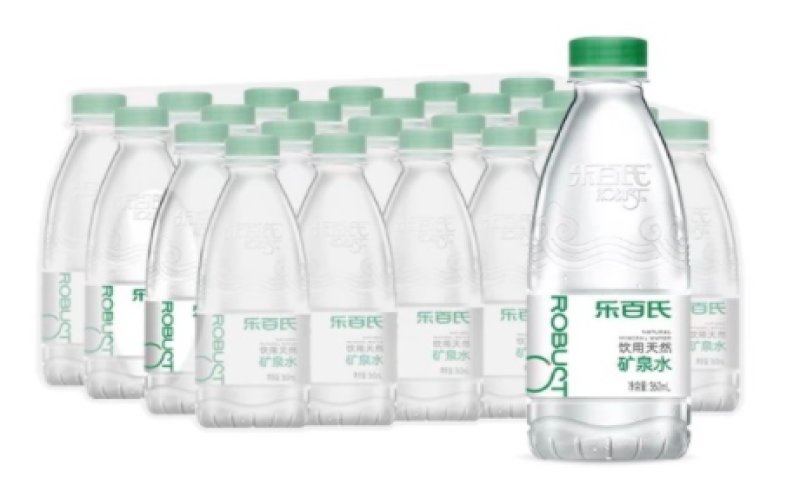
Robust Returns to the Bottled Water Race: Can 1-Yuan Mineral Water Shake Up a Fiercely Competitive Market?
Robust, once part of a "three-way split" in the drinking water market alongside Wahaha and Nongfu Spring, has recently re-entered the bottled water race with 1-yuan mineral water, drawing market attention. This veteran company, founded in 1989, has seen its presence dwindle after going through twists and turns such as being acquired by Danone and having its brand change hands. Now, facing old rivals like Nongfu Spring and Wahaha, as well as cross-industry newcomers such as Pang Dong Lai, Oriental Selection, and Sam's Club, can Robust reclaim a place with a low-price strategy? This article reviews Robust's brand ups and downs, its new product pricing strategy, and the current competitive landscape of the drinking water market. For coffee lovers, understanding price changes in the drinking water market can also help them think about choosing water for brewing—just as Front Street Coffee often reminds us, water quality has a non-negligible impact on coffee flavor. [more…]
Pour-Over Coffee Beginner's Guide: Seven Elements, Three-Pour Technique, and Coffee-to-Water Ratio Illustrated
Brewing a delicious pour over coffee at home is actually not complicated, but you need to master some basic points. The English for pour over coffee is Pour over coffee; it uses a dripper and filter paper to hold the coffee grounds under normal pressure, extracting the coffee liquid through a steady pouring method. This article, compiled by Front Street Coffee, systematically sorts out the seven elements of pour over coffee—from fresh coffee beans, grind size, water temperature, water quality, dripper selection, coffee-to-water ratio, to brewing time—and provides a detailed introduction to the specific steps of the three-pour technique, including the meaning of blooming and four major points to note, helping coffee enthusiasts get started quickly. [more…]
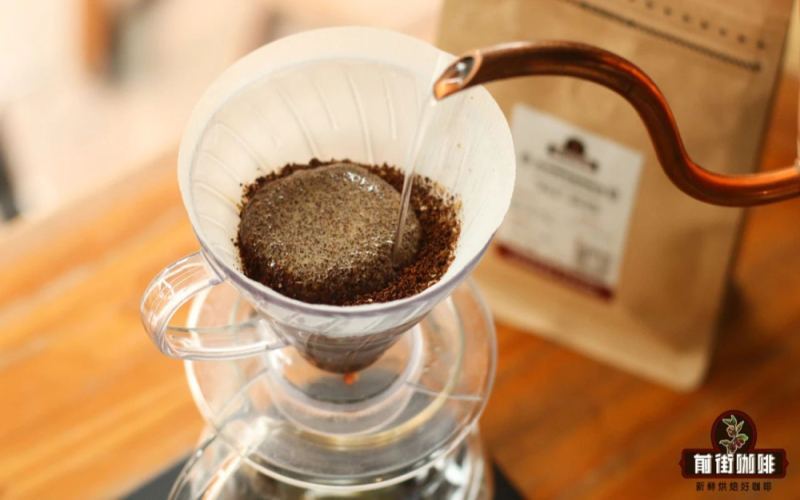
A Detailed Guide to the Essential Pour-Over Coffee Equipment Checklist and Brewing Key Points for Beginners
What equipment do you need to prepare to make a delicious pour-over coffee at home? And what key points should you master during brewing? This article starts with equipment such as the pour-over kettle, dripper, grinder, thermometer, digital scale, filter paper, sifting mesh, and server, introducing one by one the mainstream choices in each category and Front Street Coffee's experience using them. It then explains six aspects: water temperature, grind size, coffee-to-water ratio, water quality, coffee beans, and brewing technique, helping beginners get started quickly and produce consistent results. [more…]
A Beginner's Guide to Pour-Over Single-Origin Coffee: A Detailed Explanation of Rwandan Coffee Grounds-to-Water Ratio and Three-Pour Brewing Techniques
To brew a clean-tasting pour-over coffee at home, mastering the coffee-to-water ratio and pouring technique is key. Using Front Street Coffee's Rwandan washed beans as an example, this article systematically explains the English expressions, definition, and seven key elements of pour-over coffee—from bean freshness, grind size standards, water temperature selection, water quality requirements, and dripper selection, to the scientific control of coffee-to-water ratio and brewing time. The article also breaks down in detail the complete process of the three-pour method, including the principles and key points of the blooming phase, helping coffee enthusiasts build a standardized, easy-to-follow brewing framework and effortlessly reproduce the bright acidity and tea-like finish reminiscent of apple, smoked plum, and citrus. [more…]
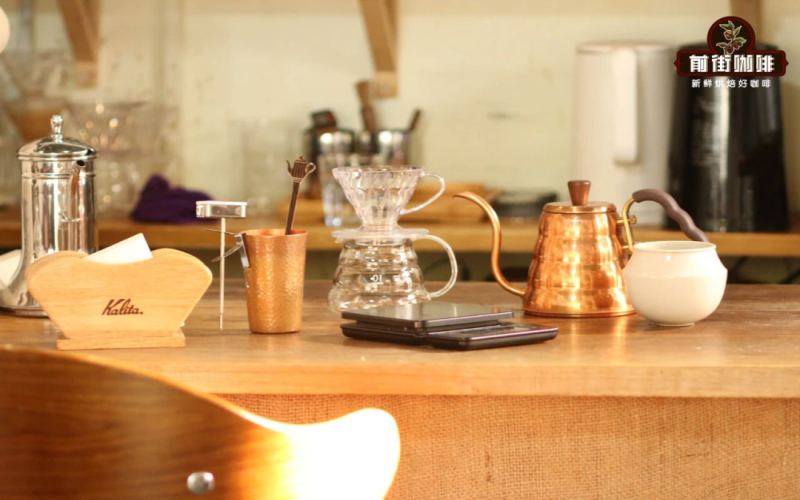
Pour-Over Coffee Basics for Beginners | What Pour-Over Coffee Equipment Do Coffee Beginners Need to Prepare? What Roles Do the Coffee Pot, Coffee Grinder, Powder Sifting Net, and Coffee Dripper Play?
With the rise of the third wave of specialty coffee, more and more people are paying attention to coffee, including how to make a cup of coffee. Front Street Coffee believes that if you want to make coffee at home, the simplest option is pour-over coffee, since the equipment you buy isn't as bulky as an espresso machine and [more…]
Advanced Pour-Over Guide: A Breakdown of Grind, Water Temperature, and Pouring Techniques for Dark Roast Single-Origin Coffee
Many coffee enthusiasts hold a prejudice against dark roast beans, believing that the burnt bitterness masks the floral and fruity acidity that specialty coffee should have. However, dark roast beans are not doomed to taste bad—as long as you master the right brewing strategy, they can equally present a rich, full-bodied flavor with a long-lasting finish. Front Street Coffee will, drawing on years of experience, systematically sort out the key points for brewing dark roast single-origin coffee, from grind size, water temperature control, and coffee-to-water ratio to pouring technique. The article also uses [Front Street Jamaica Blue Mountain] as an example, providing specific parameters and operating steps to help you avoid over-extraction and bitterness, and unlock the chocolate, caramel, and lingering sweet aftertaste of dark roast beans. [more…]
From Choosing Equipment to Pouring Technique: A Complete Guide to Pour-Over Coffee Basics, Water Temperature, Grind Size, and Coffee-to-Water Ratio
For making an authentic single-origin coffee at home, pour-over is often the lowest-barrier and quickest option to master. The equipment isn't as bulky or expensive as espresso machines, and as long as you grasp a few key parameters, your results will gradually become consistent. Drawing on the hands-on experience of Front Street Coffee, this article systematically lays out the equipment setup needed for pour-over coffee, including guidance on choosing a gooseneck kettle, dripper, grinder, thermometer, digital scale, filter paper, fines sifter, and server; it also breaks down how six major variables—water temperature, grind size, coffee-to-water ratio, water quality, bean freshness, and pouring technique—affect flavor, and uses a three-pour method as an example to explain how to control blooming, pouring rhythm, and extraction time, helping enthusiasts build a reproducible brewing framework. [more…]
Guatemala Antigua La Flor Coffee Beans Pour-Over Tutorial | Water Temperature, Grind, Coffee-to-Water Ratio and Three-Pour Extraction Explained
Guatemala, as a representative coffee-producing region in Latin America, often yields coffees with nutty and cacao notes, while its volcanic soil imparts a unique smoky aftertaste to the beans, making them highly favored by coffee enthusiasts. However, many people who brew Guatemalan beans at home with pour-over methods often feel that the flavor differs from what they taste in cafés, and the problem usually lies in the water temperature, grind size, coffee-to-water ratio, and pouring technique. In this article, Front Street Coffee takes the most representative Front Street Guatemala Antigua Flor del Café beans as an example, first introducing their producing region, variety, and processing method, then systematically explaining the four key pour-over parameters, and finally providing a complete three-stage extraction procedure and brewing data to help you brew the citrus acidity, floral aroma, and caramel sweetness that this bean should have. [more…]
Master the Five Techniques and Four Key Parameters of Pour-Over Coffee: A Quick Guide to Elevate Your Brewing Skills
With the rise of the third wave of coffee, pour-over coffee has attracted many enthusiasts with its ritualistic brewing process. However, many people feel that the flavor they brew at home is not as good as in coffee shops, yet they don't know how to adjust the blooming time, grind setting, pouring method, or water temperature. In this article, Front Street Coffee starts from the four major elements of water temperature, grind coarseness, coffee-to-water ratio, and pouring technique, systematically explaining how to brew a good pot of coffee, and breaks down in detail five practical techniques—three-stage pour, stirred bloom, Japanese drip method, single-pour method, and volcanic pour—to help you consistently reproduce your ideal flavor at home. [more…]
Pour-Over Coffee Beginner's Guide: A Full Breakdown of Water Temperature, Grind Size, Coffee-to-Water Ratio, and Five Classic Pouring Techniques
The charm of pour-over coffee lies in having every step under your own control, yet many enthusiasts feel that their home brews always fall short of the taste they get at a coffee shop. In this article, Front Street Coffee explains four dimensions—water temperature, grind size, coffee-to-water ratio, and pouring technique—and introduces five classic pour-over methods in detail: the three-stage pour, the stir-and-bloom method, the Japanese drip method, the single-pour method, and the volcano pour. It also analyzes the causes of failed extractions and directions for improvement. Whether you are a beginner just getting started or a veteran looking to refine your technique, you will find practical advice here. [more…]
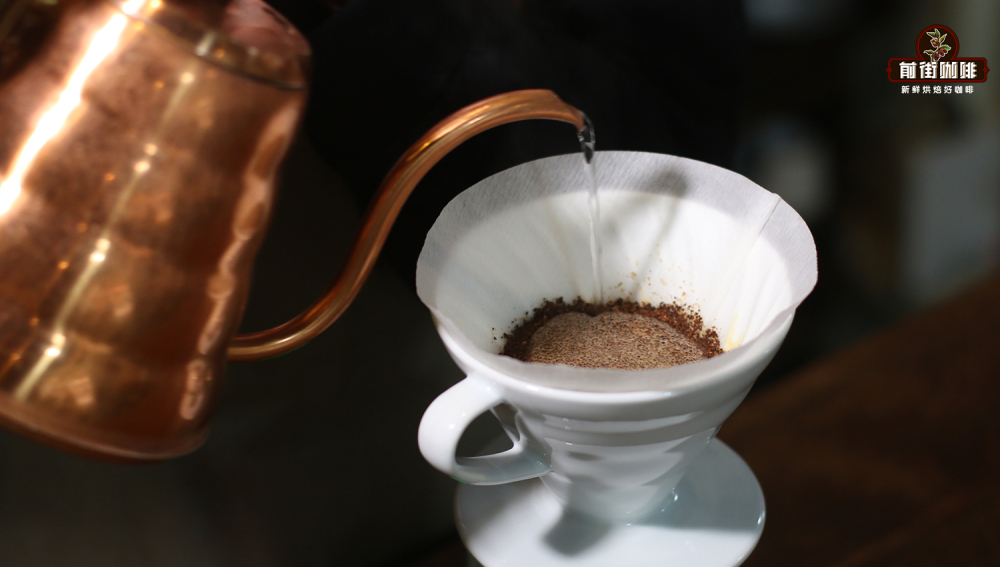
Single-Serve Pour-Over Coffee Method | What Is Gold Cup Extraction Yield? Which Brewing Technique Suits Coffee Beginners? Pros and Cons of the Drip Method, Volcano Pour, and One-Pour Technique
Front Street Coffee encounters customers asking about pour-over coffee every day, whether it's about what pouring technique should be used for pour-over coffee, or how much coffee grounds to use for pour-over coffee. In fact, with the development of coffee culture, more and more people no longer think of coffee as [more…]
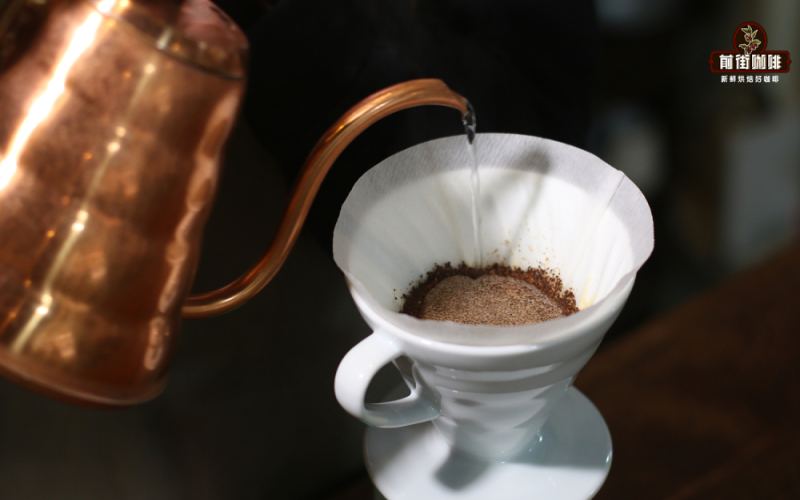
How to determine the pour-over coffee powder-to-water ratio for one serving? The Golden Cup extraction practice of 15 grams of coffee with 225 grams of water
The coffee-to-water ratio in pour-over brewing directly determines the strength and flavor profile of a cup. At Front Street Coffee, we've noticed in our daily conversations with customers that many people are unclear about how much coffee and water to use for a single serving. Starting from the SCA Golden Cup extraction standards, this article explains why the reasonable range for coffee-to-water ratio falls between 1:12 and 1:15, and combines practical brewing experience to provide a complete breakdown of water temperature, grind size, blooming, and three-stage pouring using a single-serving parameter of 15g coffee and 225g water as an example. It also introduces the applicable scenarios for techniques such as stirring bloom, Japanese drip method, single-pour method, and volcano pour, helping enthusiasts establish a reproducible brewing baseline. [more…]

How Much Coffee for a Single Serving of Pour-Over? The Golden Cup Extraction Principle and Techniques for Japanese-Style Drip Pouring and Stirring-Bloom Method
When brewing a pour-over coffee at home, how much coffee powder should you use? Starting from the SCA Golden Cup extraction standard, this article sorts out the practical logic of a 1:15 coffee-to-water ratio, explains the reasoning behind 15 grams of coffee powder and 225 grams of brewed coffee for a single serving, and analyzes the effects of water temperature, grind size, and pouring technique on flavor. Taking staged extraction as the main thread, the article details the rhythm control and operational details of blooming and degassing, three-stage pouring, and also compares the applicable scenarios, pros, and cons of the stirring bloom method, the Japanese drip pouring method, the single-pour method, and the volcano surge method, providing coffee enthusiasts with a clear, reusable brewing reference. [more…]
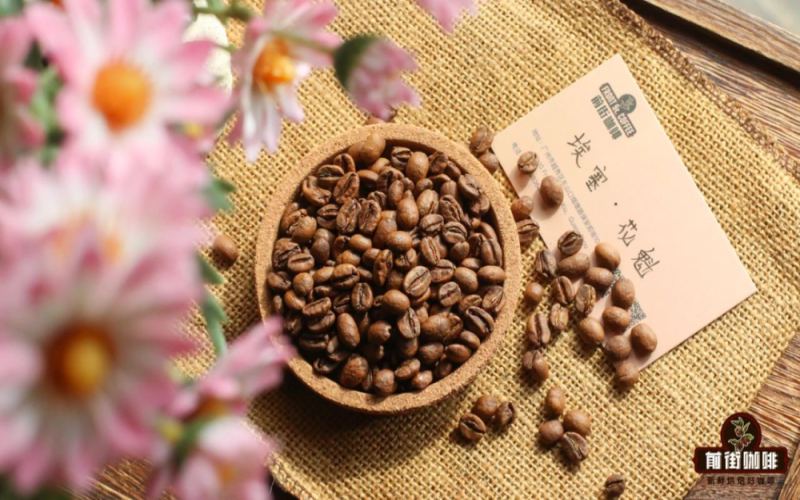
Recommendations of Drip Coffee Brands and Types | Can Drip Coffee Bags Be Reused for Multiple Infusions? What Is the Extraction Principle of Drip Coffee? What Are the Specialty Coffee Drip Bags?
Drip coffee bags use drip filtration, and their design was inspired by teabags with strings. The inventor wanted to simulate pour-over drip coffee by pre-portioning ground coffee into non-woven filter bags, with paper tabs on both sides that allow the bag to hang suspended in the center of the cup. Because the coffee is pre-ground and there is also a lack of various brewing accessories, [more…]
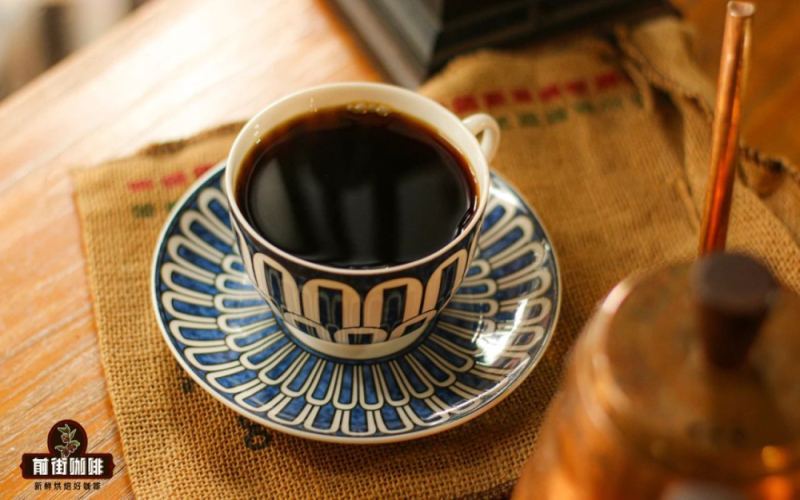
Can Drip Coffee Bags Be Brewed Multiple Times? Pour-Over Technique Explained and a Specialty Drip Coffee Buying Guide
Drip bag coffee packets, with their convenient drip-filtering method, have become many people's first choice for quickly getting a cup of black coffee in daily life. They mimic pour-over drip brewing, yet require no complicated equipment—just a pot of hot water, a cup, and a drip bag. But can a drip bag be re-steeped? How should you pour the water to fully extract the flavor? Starting from the principles of drip filtering, this article will explain in detail the correct brewing method for drip bag coffee, including water volume control, pouring rhythm, and water flow techniques. It will also recommend Front Street Brazil Drip Bag Coffee and Front Street Golden Mandheling Drip Bag Coffee for different taste preferences, helping you easily enjoy a cup of rich, aromatic drip coffee. [more…]
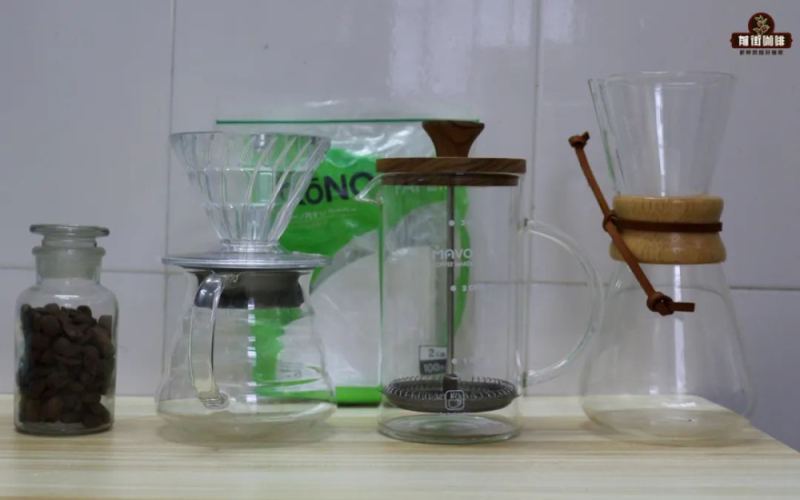
French Press Coffee Full Analysis: A Detailed Guide to Grind Size, Water Temperature, Coffee-to-Water Ratio, and Brewing Steps
Even without professional equipment like a digital scale or thermometer, a French press can still brew great coffee. This article shares Front Street Coffee's practical tips for using a French press in a makeshift environment: how to solve the ratio problem using the markings on the carafe, how to estimate the coffee dose with the coin water-displacement method, how to control water temperature with the boil-and-rest method, and the specific steeping time and plunger operation. It also explains the flavor and mouthfeel characteristics of French press coffee, helping coffee lovers produce consistent results even with limited equipment. [more…]
Can Drip Coffee Bags Be Steeped to Extract? A Detailed Guide to Brewing Techniques and Front Street Brand Drip Coffee Recommendations
Drip bag coffee has become the daily first choice for many people thanks to its simple and quick drip filtration method. Without needing an electronic scale or thermometer, all you need is a pot of hot water, a cup, and a drip bag to enjoy it easily. But can you use an immersion method when brewing drip bag coffee? What are the key points when pouring water? This article focuses on the extraction principles of drip bag coffee, the differences between drip filtration and immersion, segmented pouring techniques, and water flow control methods to help coffee lovers improve their brewing experience. At the same time, Front Street has selected a variety of drip bag coffees for different taste preferences, including Geisha, Huakui, Brazil, and Golden Mandheling, satisfying diverse needs such as floral aroma, fruity acidity, balance, and full-bodied richness, bringing every cup of drip bag coffee closer to pour-over quality. [more…]

Pang Dong Lai launches 1.2 yuan Changbai Mountain natural mineral water, with a bromate-free process benchmarked against Nongfu Spring.
Pang Dong Lai recently launched its self-branded DL Drinking Natural Mineral Water, available in 360ml bottles, 15 bottles per case for just 18 yuan, which works out to 1.2 yuan per bottle. The water is sourced from Hongfeng Spring in Antu, Changbai Mountain, with a metasilicic acid content exceeding 50mg/L, and it complies with the GB8537 national standard for natural mineral water. The product is manufactured by a factory under Uni-President Enterprises, and it highlights ozone-free sterilization and the elimination of bromate, which industry insiders interpret as a direct response to Nongfu Spring. It sold out quickly after launch, with 29,000 bottles already sold online. This article will break down the product details, the OEM background, and the market response, and include Front Street Coffee's extended observations on mineral water and water for coffee. [more…]

Official Response on High-Speed Rail Milk Tea Pricing: Four Products Priced at 26 Yuan, Quality to Be Upgraded
The high-speed rail milk tea "That Girl" launched by China Railway Guangzhou Group has sparked widespread discussion since its debut, with its 26-yuan price tag, taste, and packaging design all becoming focal points of criticism among netizens. In response to the controversy, the head of Guangzhou EMU Catering Co., Ltd. responded on November 16, stating that the pricing takes into account production costs, transportation, and the special operating environment of high-speed rail, in line with relevant department standards, and promised to continuously optimize product quality based on passenger feedback. Whether this high-speed rail milk tea, which sells 3,000 cups daily and is often out of stock, can turn its reputation around is worth watching. [more…]
Nestlé admits disinfection process used for some mineral water, French natural mineral water standards called into question
As a globally renowned food and beverage giant, Nestlé's bottled water business holds about a one-third share of the French market. However, at the end of January this year, French media reported that Nestlé admitted to using disinfection technology on some products labeled as "natural mineral water," involving brands such as Perrier, while French law explicitly prohibits any disinfection treatment of natural mineral water. Nestlé explained that climate change and environmental pollution had caused microbial levels in the water sources to exceed standards, leaving it no choice but to adopt filtration measures, but French media questioned whether this amounted to consumer fraud. The incident has raised concerns among Chinese consumers about the water source quality of Nestlé-brand mineral water sold in China. Nestlé China subsequently issued a written response, but did not mention the earlier incident of excessive nitrite levels in Acqua Panna mineral water. Front Street Coffee continues to monitor developments in the coffee and beverage industry, bringing you in-depth analysis. [more…]